Mastering Stainless Steel Cookware

Learn how to cook with stainless steel like a professional chef. Discover proven techniques for preventing sticking, proper cleaning, and maintaining your Goldilocks cookware for a lifetime of exceptional performance.

Preheat Properly

Use the mercury ball test for perfect preheating

Clean Easily

Remove heat tints with simple household items

Cook Like a Pro

Master deglazing for restaurant-quality sauces

Prevent Sticking

The Mercury Ball Test: How to Prevent Sticking on Stainless Steel

The secret to cooking with stainless steel without sticking is proper preheating. When you heat your Goldilocks cookware to the right temperature, you activate the Leidenfrost Effect—a phenomenon where food actually floats on a thin layer of steam, preventing it from sticking to the pan surface.

This technique is used by professional chefs worldwide and is the key difference between frustrating sticky experiences and effortless cooking with stainless steel cookware.

Step-by-Step: The Mercury Ball Test

  1. 1

    Heat the Pan

    Place your empty Goldilocks pan on medium to medium-high heat for 2-3 minutes. Avoid high heat initially.

  2. 2

    Test with Water

    Flick a few drops of water into the pan. If the water sizzles and evaporates, it's not ready. If it forms a ball that rolls around the pan like mercury, it's perfect.

  3. 3

    Add Fat, Then Food

    Once the water balls up, wipe the pan dry, add your oil or butter, swirl to coat, and immediately add your food. The Leidenfrost Effect will prevent sticking.

  4. 4

    Let Food Release Naturally

    Don't force food to move. When properly seared, it will release naturally from the pan. If it's sticking, it needs more time to develop a crust.

Pro Tip

For proteins like fish or chicken, pat them completely dry before adding to the pan. Moisture is the enemy of a good sear and can cause sticking even in a properly preheated pan.
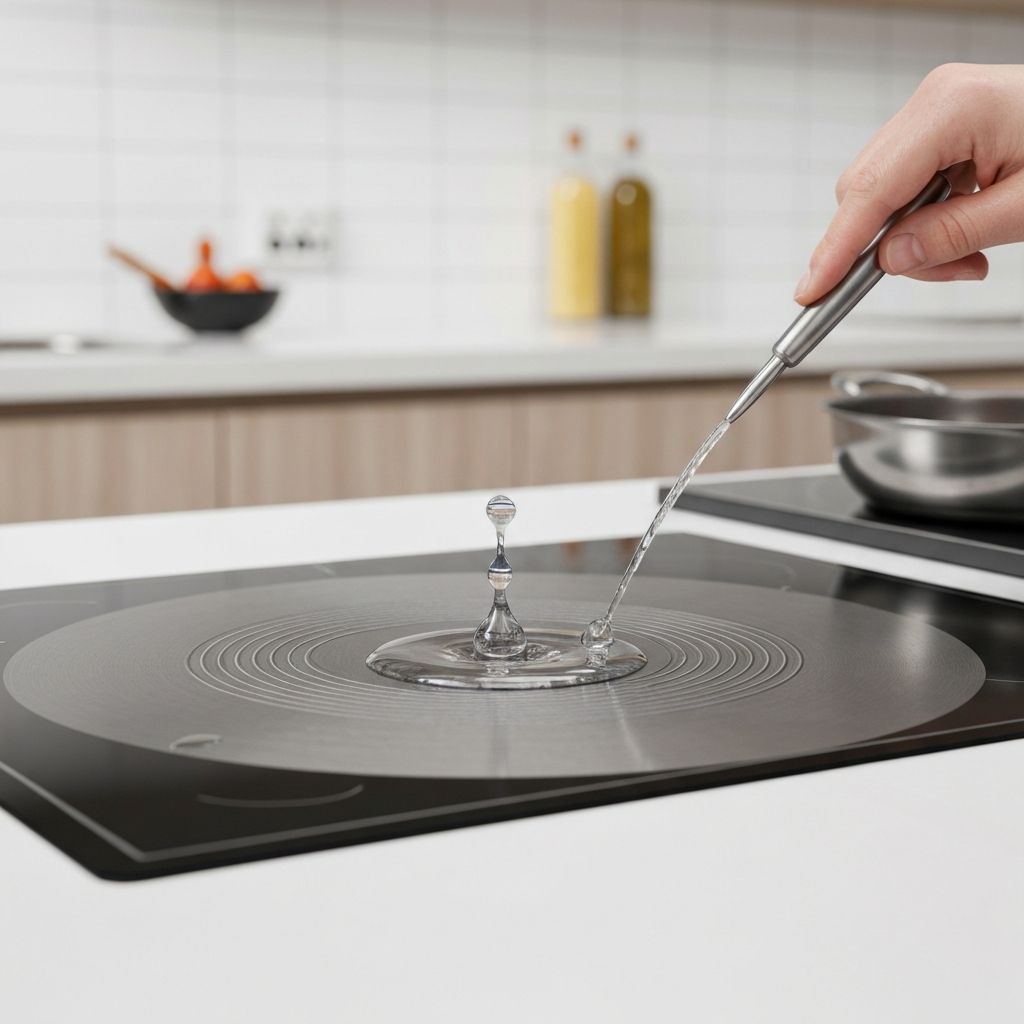
Water droplet test demonstrating the Leidenfrost Effect on preheated stainless steel cookware
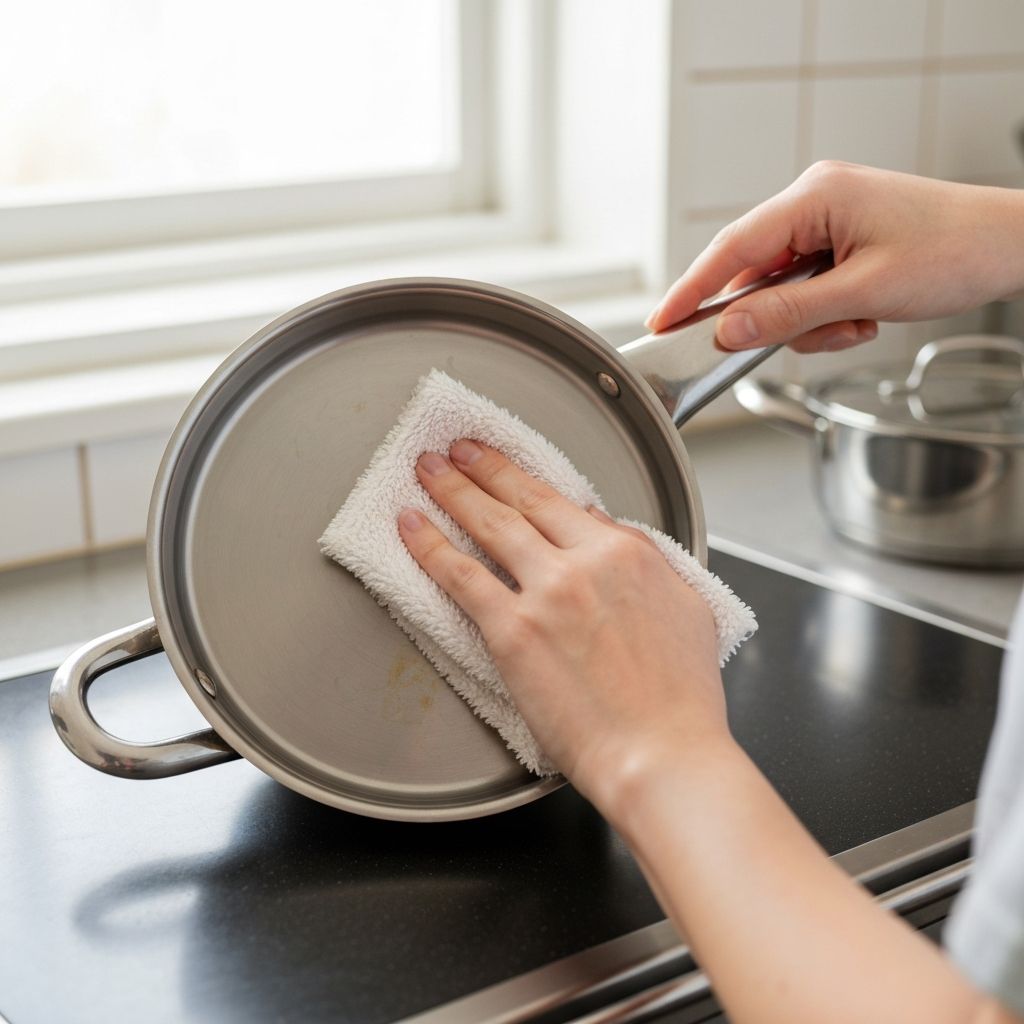
Cleaning stainless steel cookware to remove heat tint and maintain shine
Maintenance

How to Clean Stainless Steel Cookware: Removing Rainbow Stains

Those beautiful rainbow-colored stains (also called heat tint or oxidation) on your Goldilocks cookware aren't a sign of damage—they're completely normal and harmless. They occur when stainless steel is heated to high temperatures, causing a thin layer of oxidation on the surface.

While your Goldilocks cookware is dishwasher safe, hand washing helps maintain its brilliant shine. Here's how to keep your cookware looking pristine and remove those stubborn heat tints.

Daily Cleaning Routine

  • Let It Cool

    Allow the pan to cool slightly before washing. Never plunge a hot pan into cold water—this can cause warping.

  • Wash with Warm Soapy Water

    Use warm water and dish soap with a soft sponge or cloth. Avoid abrasive scrubbers that can scratch the surface.

  • Dry Immediately

    Dry your cookware with a clean towel to prevent water spots and maintain that beautiful stainless steel shine.

Removing Heat Tint & Rainbow Stains

Method 1: White Vinegar

Dilute white vinegar with water (1:3 ratio), apply to the stained area, let sit for a few minutes, then rinse and dry. The acid in vinegar dissolves the oxidation quickly.

Method 2: Bar Keepers Friend

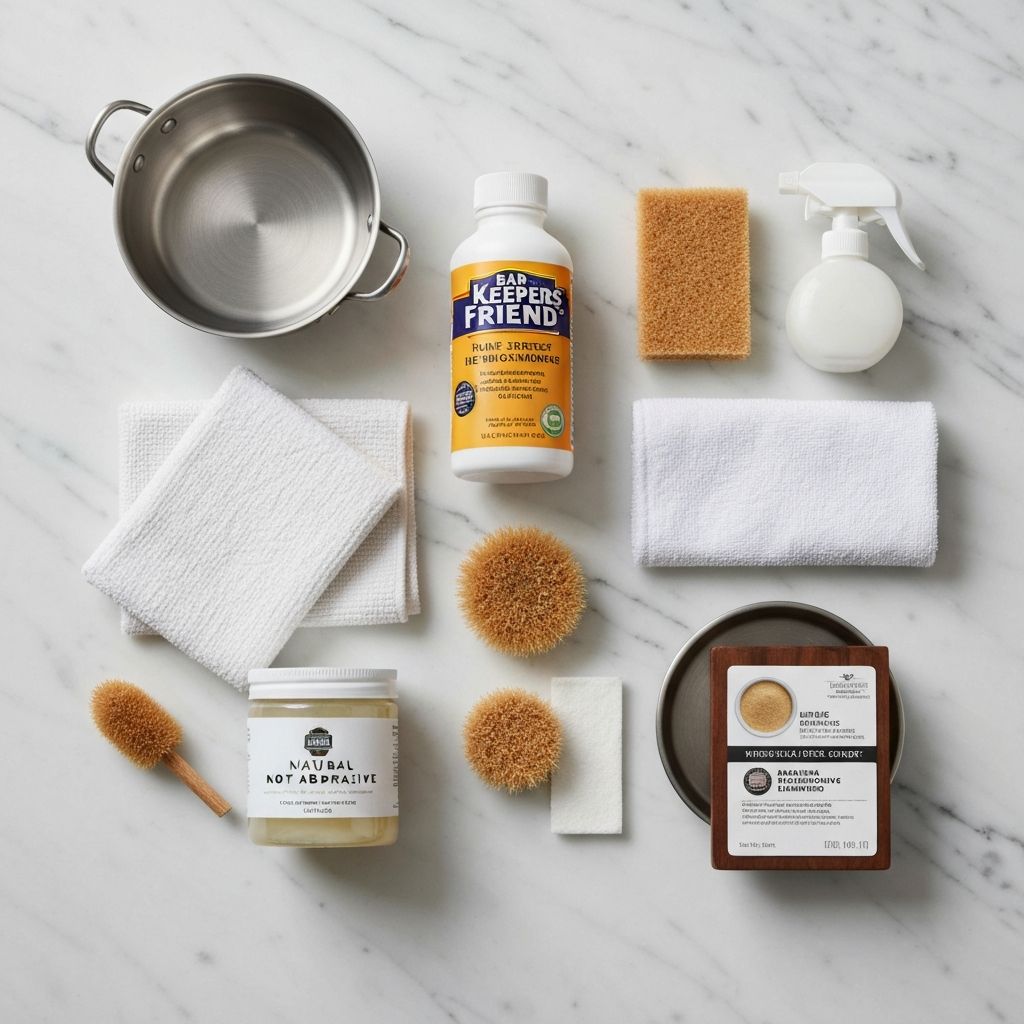
For stubborn stains, make a paste with Bar Keepers Friend and water. Gently rub in circular motions with a soft cloth, rinse thoroughly, and dry. This product is specifically designed for stainless steel cookware maintenance.

Goldilocks Cookware is Dishwasher Safe

While hand washing preserves the shine, your Goldilocks tri-ply stainless steel cookware is completely dishwasher safe for convenient cleanup when you need it.

Cooking Technique

Deglazing: Turn Cleanup into a Cooking Technique

One of the greatest advantages of cooking with stainless steel is the ability to deglaze—a professional cooking technique that transforms those browned bits stuck to the pan (called fond) into rich, flavorful sauces. What might seem like a cleaning challenge is actually the foundation of restaurant-quality pan sauces.

Deglazing not only creates amazing sauces but also makes cleaning your Goldilocks cookware easier. It's a win-win technique that every home cook should master.

How to Deglaze Your Pan

  1. 1

    Remove the Protein

    After searing meat, chicken, or fish, remove it from the pan and set aside to rest. You'll see browned bits on the pan bottom—that's the fond, packed with flavor.

  2. 2

    Pour in Liquid

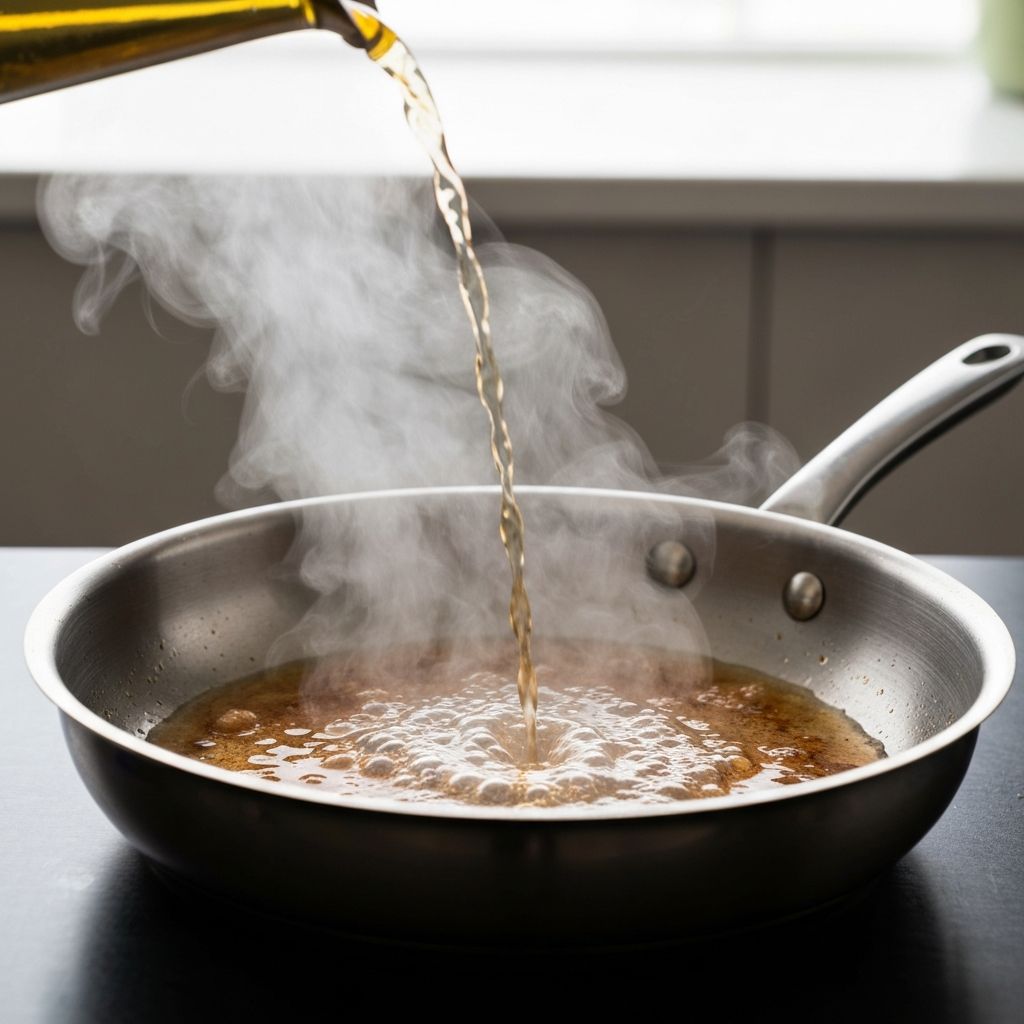
    With the pan still hot, pour in wine, stock, or even water (about 1/2 cup). The liquid will immediately start bubbling and steaming.

  3. 3

    Scrape and Stir

    Use a wooden spoon or spatula to scrape up all the browned bits. They'll dissolve into the liquid, creating the base of your sauce.

  4. 4

    Reduce and Season

    Let the liquid reduce by half, then add butter, cream, herbs, or other seasonings. You've just created a restaurant-quality pan sauce.

Popular Deglazing Liquids

Red or White Wine

Classic choice for rich depth

Chicken or Beef Stock

Clean, savory foundation

Balsamic Vinegar

Sweet and tangy option

Apple Cider or Juice

Perfect for pork dishes

Deglazing stainless steel pan to create a pan sauce from fond

Additional Cookware Maintenance Tips

Keep your Goldilocks cookware performing like new for decades

Storage Best Practices

  • Stack with pan protectors or paper towels between pieces to prevent scratching
  • Store in a dry location to prevent water spots
  • Hang pans if possible to save space and prevent damage

What to Avoid

  • Never use metal scrubbers or steel wool—they'll scratch the surface
  • Avoid chlorine-based cleaners that can pit the stainless steel
  • Don't leave food sitting in pans overnight—the salt can cause pitting
Stainless steel cookware maintenance essentials and cleaning products

Covered by Our Lifetime Warranty

Your Goldilocks cookware is built to last a lifetime with proper care. Our comprehensive warranty covers any manufacturing defects, warping, or structural issues. With these simple maintenance techniques, your cookware will perform beautifully for decades.